
How True are Trump’s Economic & Tariff Claims?
Economic claims sound bold when they come from a podium. They sound even bolder when they promise easy wins. President Donald Trump has made sweeping statements about tariffs, inflation, trade, and growth during his second term. The message is simple and confident. But the problem is that the numbers tell a different story.
Here’s a deeper look at President Trump’s claims:
America Before Trump (And After)
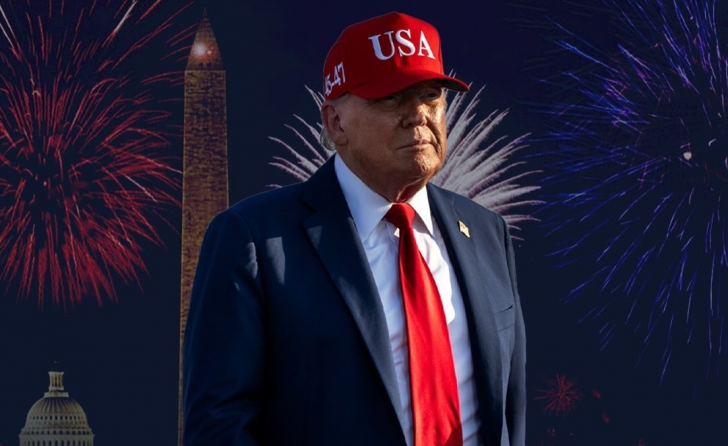
Trump / IG / Trump says the country was “dead” just a year before he returned to office. That claim does not hold up!
In 2024, the U.S. economy grew by 2.8% after inflation, which beat most wealthy nations. Jobs were expanding, consumers were spending, and growth was steady by global standards.
The pattern in 2025 has been more erratic than robust. Businesses rushed imports earlier in the year to sidestep tariff increases, pulling growth forward. Once that inventory build slowed, growth appeared to recover. The shift reflected trade timing rather than a surge in productivity or demand. Equities rose about 17%, but investors in Japan, South Korea, Germany, and the United Kingdom saw even stronger returns.
Labeling the U.S. the “hottest economy” strips away that context. Several peers posted better numbers. The baseline wasn’t disastrous to begin with, and the recovery has been inconsistent.
Do Tariffs Keep Inflation Low?
Trump highlights a 1.4% core inflation reading and ties it to tariff policy. The figure, however, is drawn from a brief three-month stretch that coincided with a government shutdown that disrupted normal data gathering. It’s a thin slice of time to use as proof of a broader trend.
A broader and cleaner measure shows core inflation closer to 2.6% in late 2025. Prices cooled overall, but tariffs pushed in the opposite direction. Economist Alberto Cavallo found that tariffs added about 0.75% to inflation. That effect showed up most clearly in everyday goods, not luxury items.
Who Pays for the Tariffs?
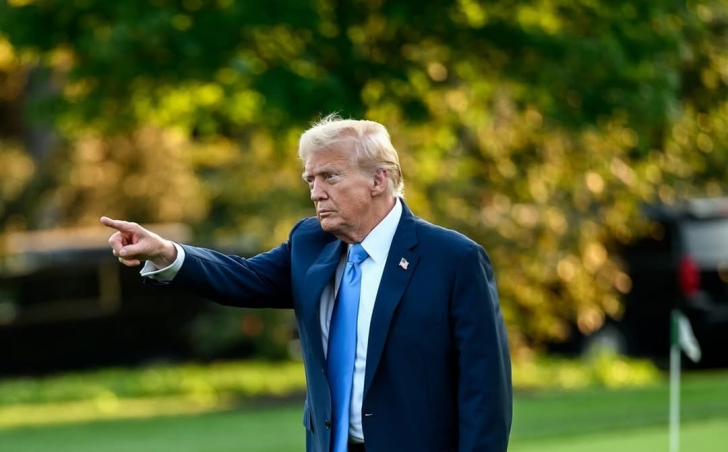
Trump / IG / President Trump says foreign producers pay at least 80% of tariff costs. That statement directly clashes with the research he cites.
A study from Harvard Business School found that U.S. consumers covered about 43% of the cost within seven months, while U.S. firms absorbed most of the rest.
Cavallo later explained that foreign exporters did not cut prices enough to take the hit. A separate analysis from the Kiel Institute for the World Economy reached an even harsher conclusion. It is estimated that Americans pay about 96% of tariff costs.
Did the Trade Deficit Shrink by 77%?
The 77% claim is based on comparing one extreme month to another. Imports exploded in January 2025 as firms raced to beat tariffs. Later in the year, imports dropped sharply. Picking those two points creates a dramatic number that ignores the full year.
When you zoom out, the story flips. The U.S. trade deficit for the first eleven months of 2025 hit nearly $840 billion. That figure was about 4% higher than the same period in 2024. Early panic buying erased later gains.
Monthly swings make good headlines. Annual totals tell the truth. In this case, the deficit did not shrink. It grew!
Are Trillions in Investment Locked In?
Trump claims tariffs secured more than $18 trillion in investment commitments. That number has no clear paper trail. Even the White House lists a lower figure of $9.6 trillion.
Researchers at the Peterson Institute for International Economics reviewed those pledges and estimated the figure at closer to $5 trillion. They also raised doubts about follow-through. Many deals lacked timelines, details, or funding sources. Some came from countries already under economic strain.



You must be logged in to post a comment Login