
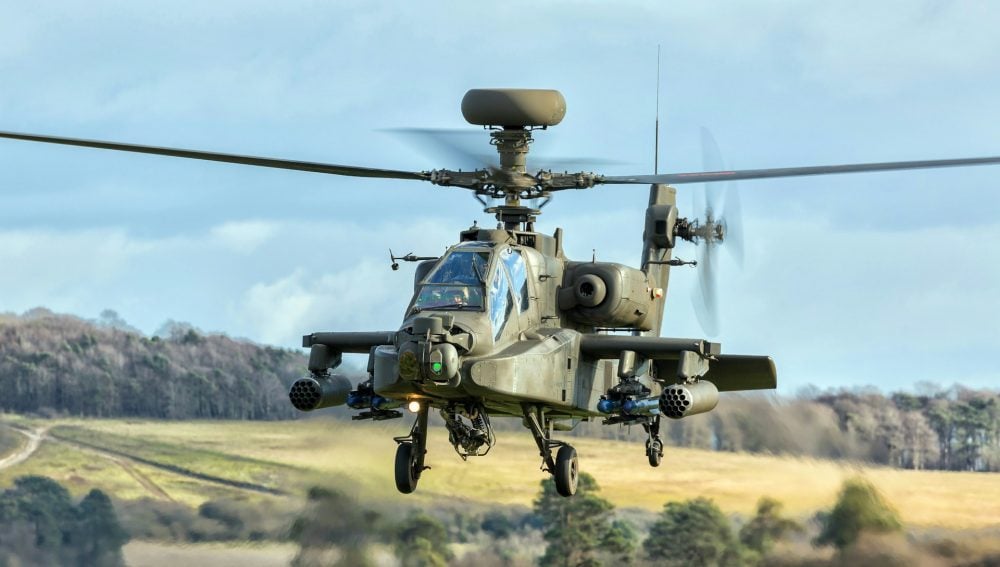
Geopolitical Tensions Fuel a New Era of Military-Driven Economics
Defense spending is no longer just about national security. It is now a major force in how economies run. NATO countries are aiming high, pledging 3.5% of GDP for military budgets by 2035. Add another 1.5% for related security costs, and you are looking at $800 billion more every year compared to the years before Russia’s war in Ukraine.
However, this isn’t just a NATO thing. Countries like Israel, already spending a whopping 8% of GDP on defense, and Japan are also dialling up their budgets. Even non-NATO countries in Europe feel the heat. With the US sending mixed signals on support, Europe is scrambling to boost its own capabilities.
The Price Tag of Safety
Defense now eats a bigger slice of national budgets, leaving less for things like schools, hospitals, and innovation. Europe spends only 1.9% of its GDP on defense but 25% on social protection. That balance is starting to shift. Reallocating funds won’t be easy, and the consequences will be felt far beyond military barracks.
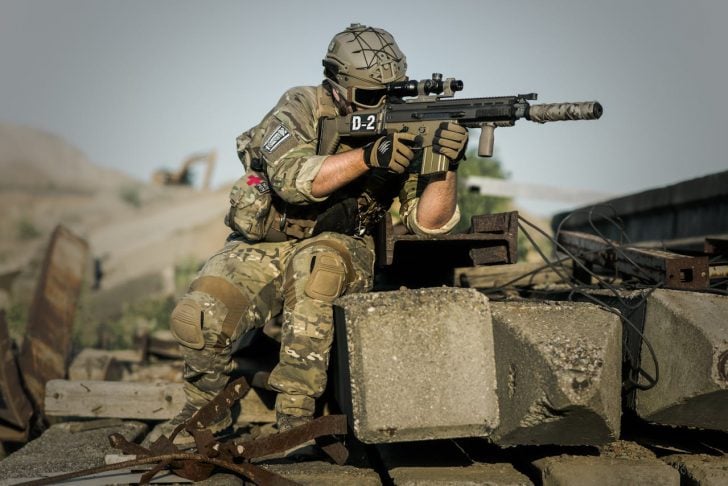
Pixabay / Pexels / Bloomberg Economics says that unless defense procurement gets a serious upgrade, any economic gains could fade fast.
In fact, they expect the growth jolt from all this spending to fizzle within three years. Without smart reforms, countries might end up with bloated budgets and little to show for it.
To avoid being caught short, the EU wants to source half its military gear locally by 2030. That sounds good on paper. More factories, more jobs, more control. But there’s a catch. Europe’s defense industry isn’t exactly plug-and-play. Making tanks and drones at home takes time, money, and a lot more coordination than the EU is used to.
This push could boost local GDP, sure, but only if member states stop going solo. Shared procurement is key, yet political divisions make it hard. France wants one thing, Germany another. Without a unified plan, the whole thing risks becoming a patchwork of inefficiencies.
Defense vs. Growth
Defense spending won’t fix everything. It might even slow progress in other areas. Investments in productivity, like digital infrastructure or green tech, often deliver bigger and longer-term payoffs. Miss those, and you might win the arms race but lose the economic one.
Some argue military investment drives innovation, citing automation and AI. It’s true that defense tech can spill over into civilian life, but not always. Without smart planning and retraining programs, displaced workers from other sectors could get left behind, widening inequality.

Share / Pexels / The U.S. is taking a hammer to global trade. New tariffs on Chinese goods hit as high as 60%. That is a clear sign the world is moving away from open markets.
The result? Slower growth in China, tighter global supply chains, and a bigger role for countries that step into the export gap.
For Europe, the ripple effects are real. Slower trade and higher costs mean weaker economic growth, with forecasts dropping to 0.8% in 2025. The IMF expects U.S. inflation to rise a full percentage point, all thanks to tariffs.
Since the Cold War ended, Europe has enjoyed what economists call a “peace dividend,” freeing up cash for public services. That dividend, worth €1.8 trillion, is drying up. The money once spent on pensions or railways is now being funneled into missile systems and fighter jets.



You must be logged in to post a comment Login